
- KRITIS security
Physical security for critical infrastructure and sensitive locations.
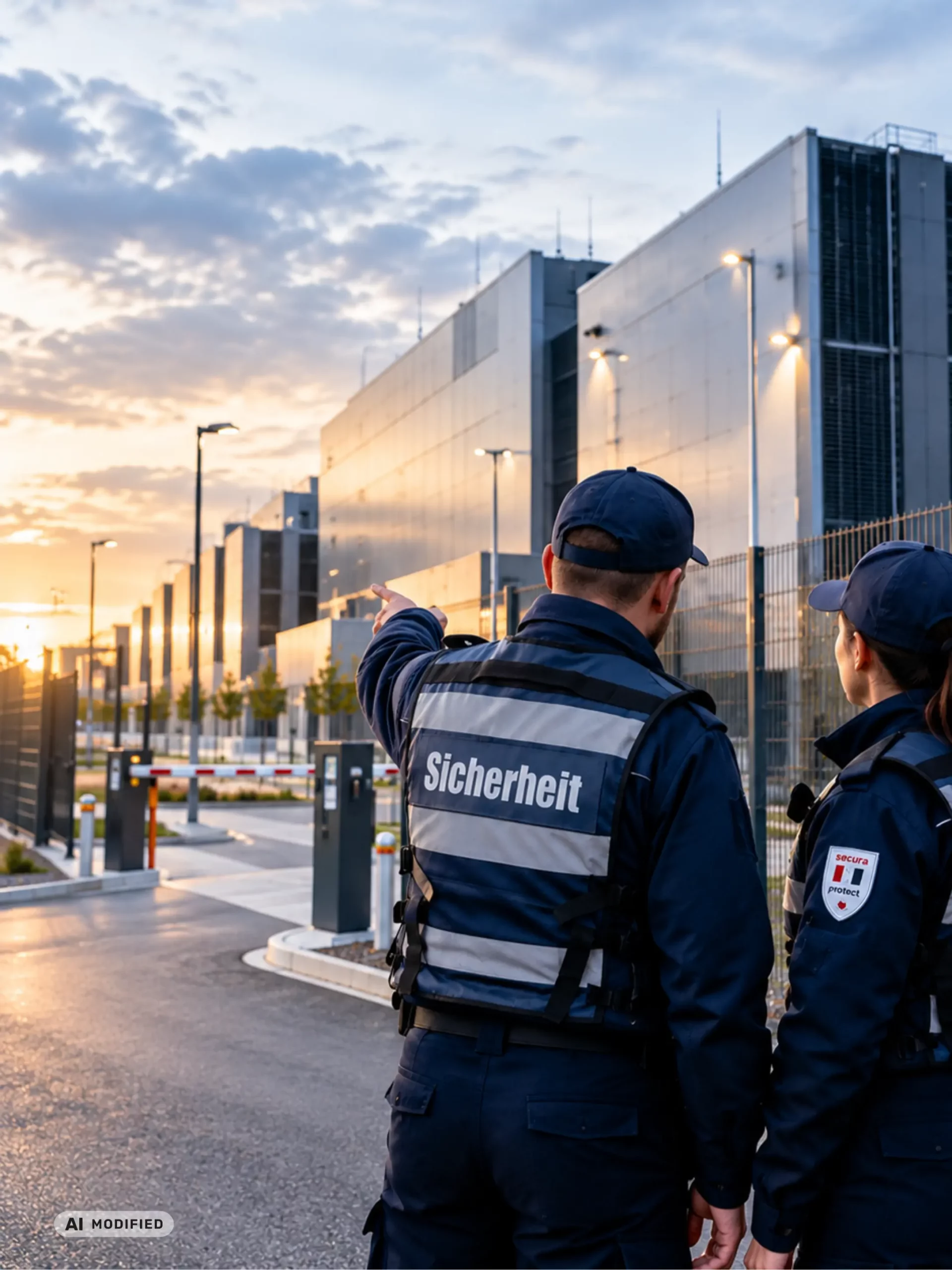
Where the provision of services, production or public services depend on a location, security incidents can have far-reaching consequences. Therefore, what matters is not a single protective measure, but the interplay of access points, sensitive areas, controls, reporting routes and clearly defined responses. secura protect helps operators align physical and organizational security measures with the location so that they effectively combine protection with ongoing operations.
Over 2,000 medium-sized companies trust us.
- Access and perimeter protection
- Secure sensitive areas
- Rules for reporting and escalation paths
- Security measures documented
Proven quality & responsibility

Quality standards for security service providers
Quality management

Environmental management
Workplace and health protection
- Challenges
When protection needs, operation and responsibility come together.
Critical and sensitive locations rarely have only one access point or a clearly defined security area. Employees, third-party companies, delivery traffic, technical systems, and different responsibilities all intersect at these points. Security gaps often arise precisely at these interfaces.
Access points and sensitive areas
- Unauthorized persons access technical or particularly protected areas.
- Visitors, suppliers and third-party companies undergo inconsistent registration and access processes.
- The gates, entrances, external areas and internal protection areas are not sufficiently coordinated with each other.
- Remote or poorly frequented areas remain unattended for a time.
Organization and traceability
- Responsibilities between operators, security services, technology, and other stakeholders are not clearly defined.
- Abnormalities are detected, but are not passed on through clearly defined channels.
- Outside of normal business hours, there are no clear contact and escalation routes.
- Controls, findings and measures are difficult to understand later on.
- Scope of delivery
Security components that interlock at critical locations.
In critical infrastructure, a single security measure is rarely sufficient. What is crucial is that personnel presence, access control, monitoring tasks, a control center, and reporting routes work in a meaningful way. We tailor our security services to suit the location, operational processes, and protection needs.
Note: Our KRITIS services focus on the physical and organizational security of sites. Legal classification as a critical asset, regulatory compliance audits, cybersecurity, or information security consulting are not part of our service. However, existing requirements and guidelines can be incorporated into the operational security organization.
[01] Protection of works and objects in sensitive areas
Sensitive installations and operating areas are protected where permanent attention and clear responsibilities are required. Our security personnel perform agreed-upon presence, control, and protection tasks at buildings, technical facilities, operating areas, and particularly protected areas. The scope, times, and tasks are determined on a case-by-case basis.
[02] Access control & gate processes
They keep an eye on who is moving around your premises and which areas are allowed to be entered. Employees, visitors, suppliers, and third-party companies are registered, checked, and directed according to the established access regulations. Authorizations, access routes, and sensitive areas can be taken into account, as can specific requirements for individual protection areas.
[03] Visitor, Supplier & Third-Party Management
External personnel are carefully integrated into your operations without causing unnecessary disruptions. Registration, assignment to contact persons, routing and agreed onboarding or handover processes are clearly organized. This makes it possible to better control security and operational interfaces, especially in locations with many third-party companies or fluctuating delivery traffic.
[04] Perimeter and outdoor area controls
Even poorly frequented areas remain part of the security concept. Access roads, gates, doors, outdoor areas, technical areas and remote site components can be included in regular or occasion-based inspections. Any irregularities detected are reported in accordance with the agreed reporting procedures and documented.
[05] Alarm activation, control center & intervention
Reports can also be processed outside of the immediate security presence, following clearly defined procedures. Alarm activation and emergency call & service dispatch can be linked to the security services at the site. Depending on the agreed alarm plan, contact persons can be informed, measures can be coordinated, and intervention forces can be deployed if necessary.
[06] Reporting and escalation channels
In the event of an incident, it does not have to be determined who is responsible first. Contact points, contact sequence lists, and anticipated responses are already coordinated in advance. This allows findings and safety-related events to be communicated in a structured manner and further departments to be integrated according to established procedures.
[07] Interfaces to technology & operation
Security personnel are often present where technical or operational issues first become visible. Such findings can be reported to designated technical, facility management or other relevant departments following defined procedures. This allows existing safety and operational processes to be meaningfully interconnected. Importantly, the reporting process does not replace technical inspection, maintenance or operator obligations.
[08] Documentation & Reporting
They keep a clear overview of what has been controlled, determined, and ordered. Safety-related controls, events, and agreed measures are documented to the extent required and reported back to the relevant contact persons. The scope, format, and frequency of reporting depend on the location and service model.
- This is how we work
This will turn security processes that serve a protective purpose into functioning ones.
Appropriate security assurance begins with a clear understanding of the location. This does not involve a complete regulatory or legal assessment, but rather the operational question of which areas, access points, and processes should be protected.
- Clarify location and protection needs
- Define responsibilities jointly
- Connecting suitable safety components

Understanding location and sensitive areas
We consider operating environments, facilities, protected areas, outdoor areas, entrances, and relevant operating times.

Organize access points, person movements, and perimeter
Access routes, gates, visitor paths, delivery processes, access by third-party companies and internal security areas are all considered together.

Assemble the appropriate safety components
We determine which personnel, mobile, or management-related services are most appropriate for your location.

Define processes & interfaces
We define how the selected services complement each other and who takes on which role.

Start the deployment in a structured manner
Employees are instructed based on their specific roles and the agreed processes are integrated into the operation.

Review and develop operations
During the ongoing operation, we are reviewing the collaboration and adapting processes and services as needed.
- Promises
Professional structures. Trustful cooperation.
For over 20 years, we have been working for companies and public contracting authorities throughout Germany. In doing so, we combine professional structures and nationwide capabilities with personal responsibility, short paths, and a close-knit, rewarding collaboration.
Contactable personally
Dedicated contact persons and direct communication ensure that requests reach their intended destination quickly.
Over 20 years of experience
Experienced processes, operational experience and long-standing customer relationships form the foundation of our work.
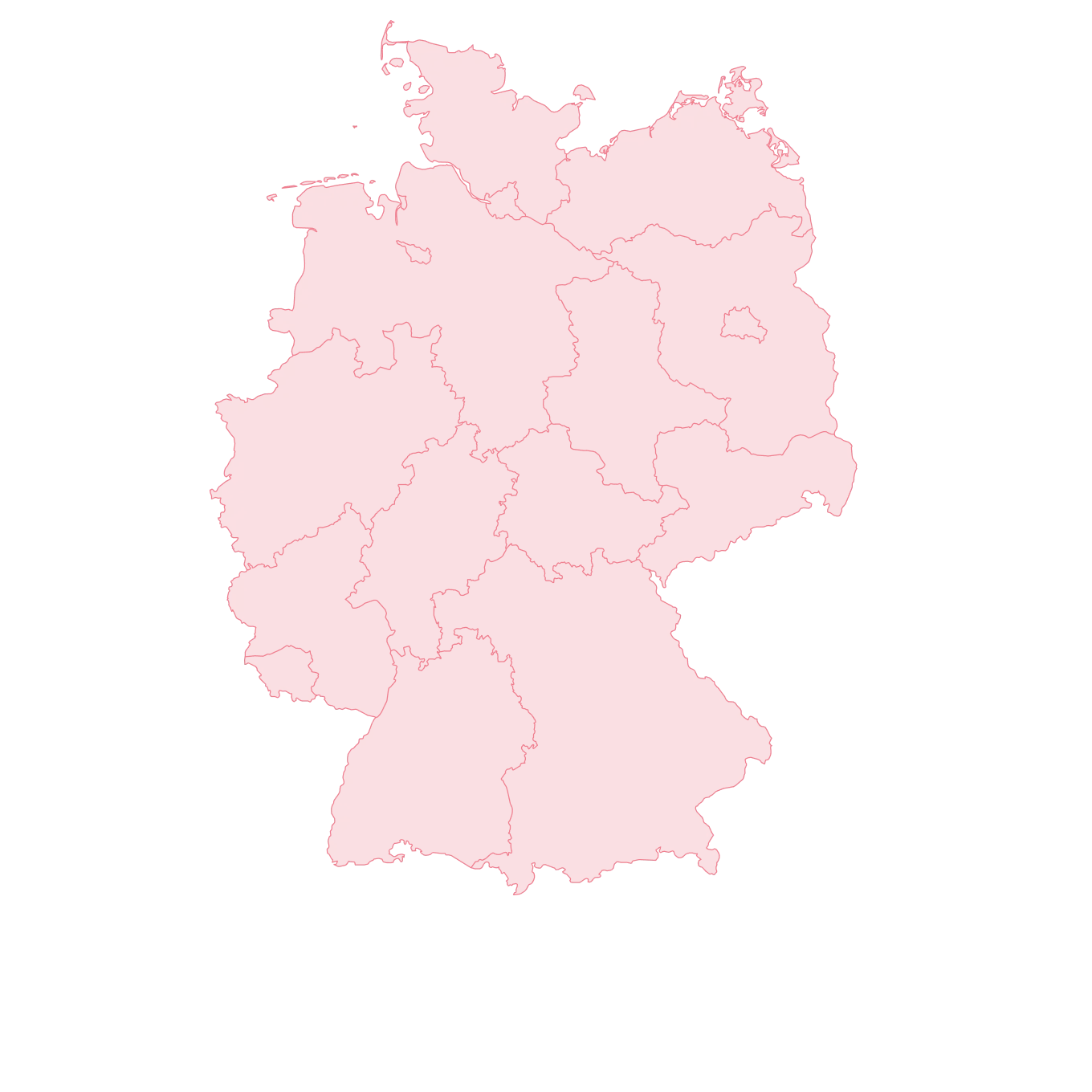
Nationally efficient
We serve customers and locations throughout Germany and combine regional support with clear responsibilities, defined processes, and auditable quality processes.
Family-run with a sense of responsibility
Behind secura protect stand Patrick Pond, his wife Tanja and son Daniel. For you, this means personal responsibility, short routes and a trusting working relationship.
Accountability that is verifiable
Certified management systems and our sustainability structures make our commitment to quality and responsibility verifiable.









Clear standards, certified processes and comprehensible structures give you the certainty that our services are provided responsibly, in compliance with regulations and in a verifiable manner.
At the same time, our certificates support your own quality, compliance, and sustainability requirements, for example in audits, supplier assessments, or within your supply chain.
- REQUEST NOW
Let’s talk about protecting your sensitive location.
You want to better coordinate access points, sensitive areas, reporting routes, and existing security services? We will look at your location, existing structures, and your requirements and together determine which security components make sense to integrate.
- Clarify location and protection needs
- Define responsibilities jointly
- Connecting suitable safety components

- APPLICATIONS
Clear security structures for different industries.
Sensitive and supply-related locations require special security structures. Which measures are appropriate depends on the location, the processes, and the specific protection needs.
Note: Not every site that is sensitive or relevant to power supply is automatically classified as critical infrastructure under the law. The relevant legal criteria and the specific installation are the determining factors.
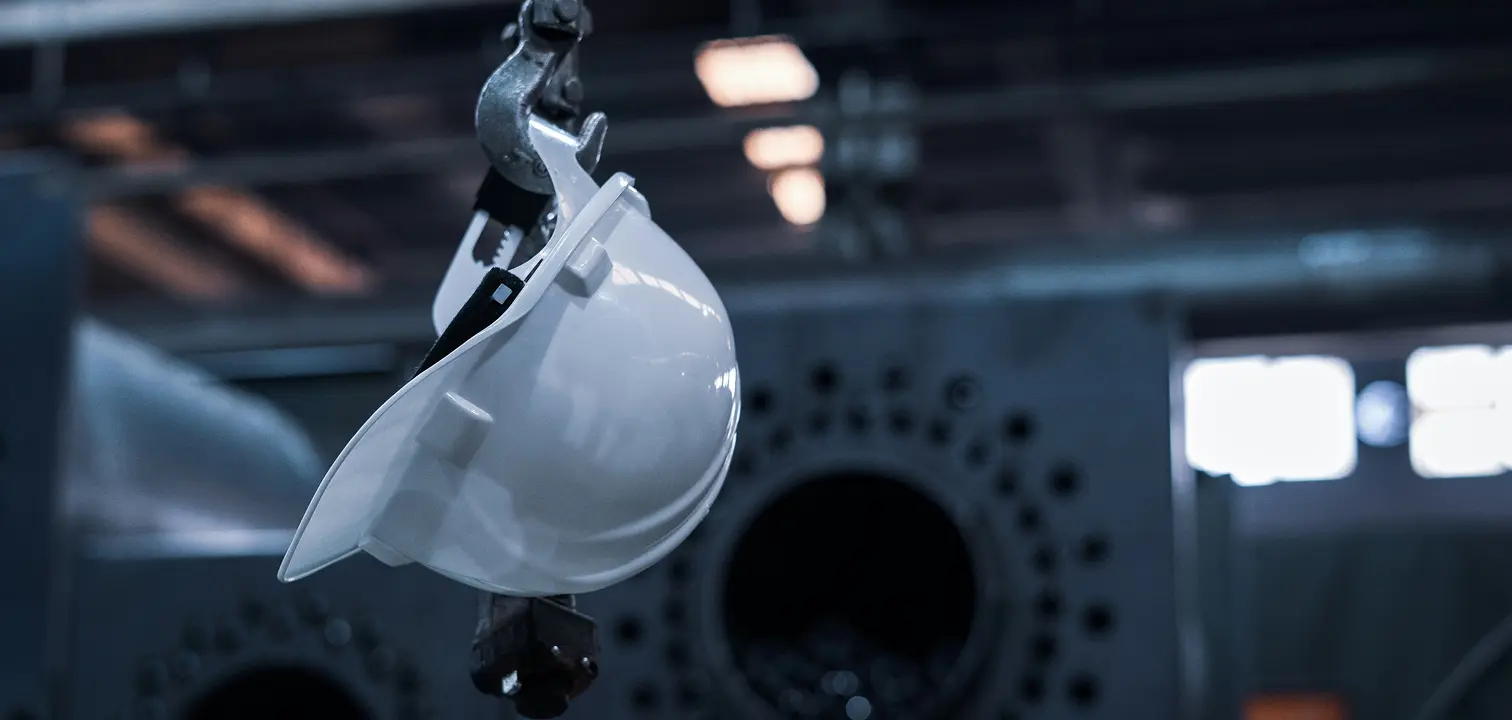
Industry
For production and operating sites with sensitive areas, technical equipment, and clearly regulated access and security processes.
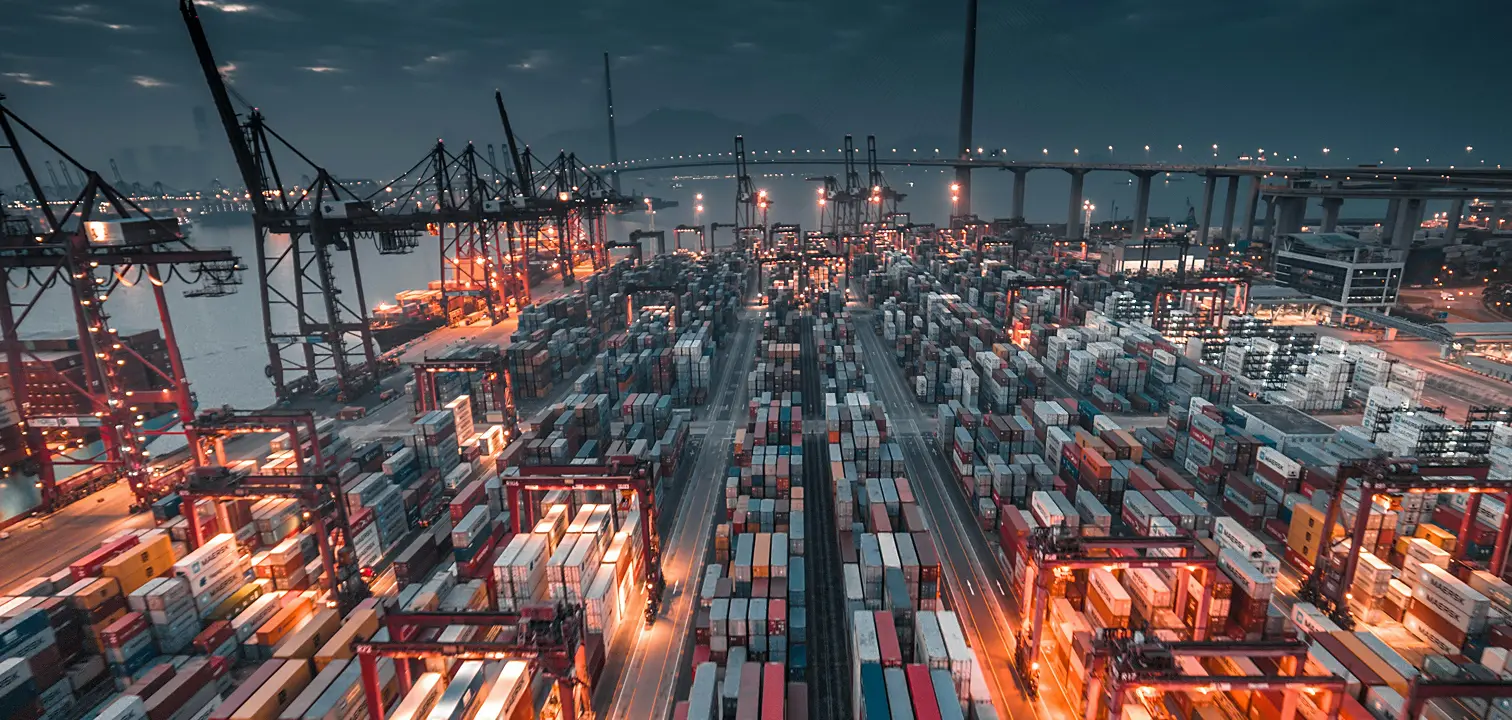
Logistics
For warehouse, handling and logistics locations with large areas, goods movements and various access and control points.
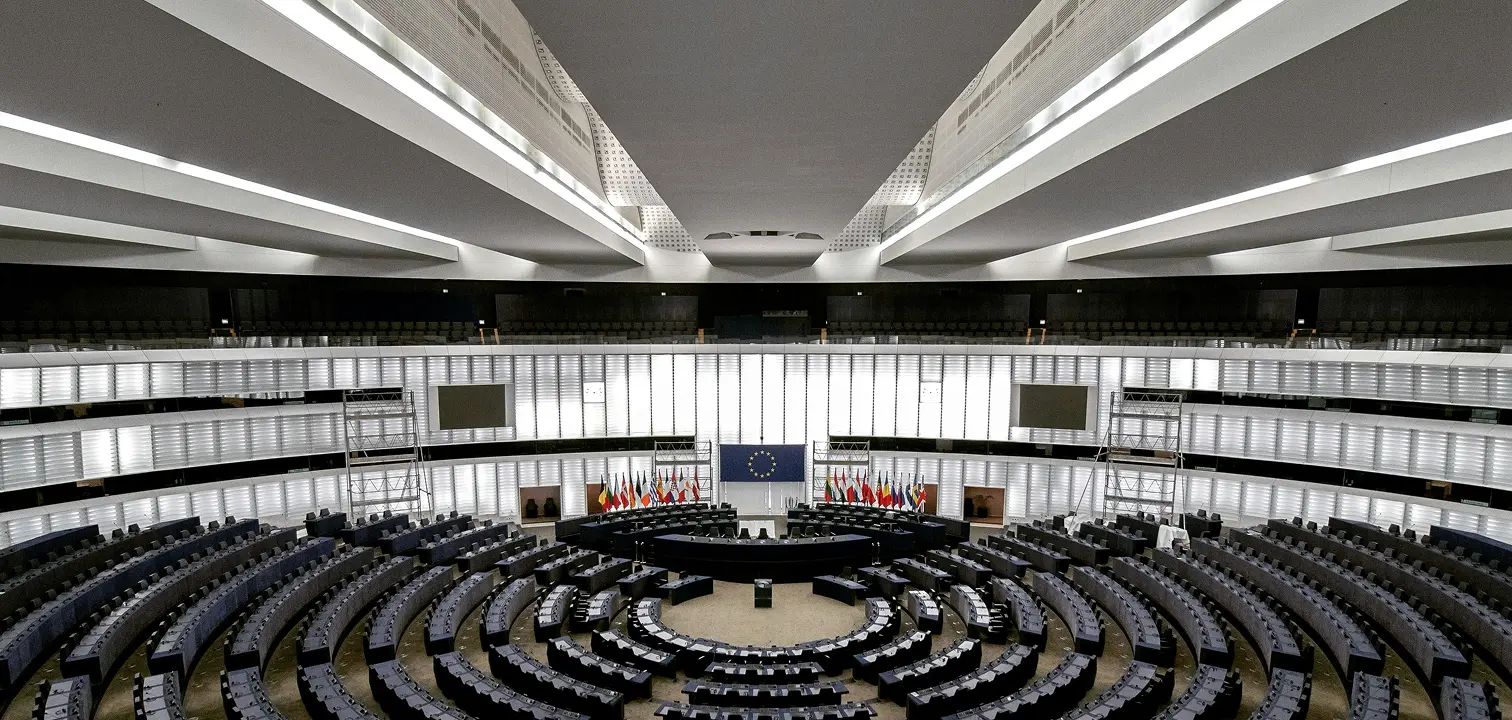
Public sector
For public facilities and administrative locations requiring increased protection, with clear responsibilities and comprehensible procedures.
- FAQ
Your questions, our answers
Questions about your challenges
Why is classic object protection often not enough for critical infrastructures?
Because the protection needs are not limited to a single building or entrance. Critical locations connect sensitive facilities, outdoor areas, access routes, different groups of people, and operational processes. Therefore, it is crucial that personnel security services, access controls, checks, reporting routes, and possible responses are coordinated with each other.
How can visitors, suppliers and third-party companies be safely integrated into the operation?
Through clearly regulated registration, access, and handover processes. Authorizations, contact persons, permissible areas, and other specifications can be pre-determined for different groups of people. This ensures that it is clear who is at the location at what time and for what reason.
How are remote or hard-to-see areas secured?
Outdoor areas, technical areas, gates and other less frequented site parts can be included in defined control and patrol routes. Depending on the security concept, personnel controls can be combined with existing security technology and clear reporting routes.
How can physical security support operational continuity?
Clear access points, defined protection areas, coordinated controls, and regulated alarm and escalation routes can help to identify incidents early and limit their impact on operations. secura protect does not provide independent advice on business continuity management.
Technical questions regarding security solutions for critical infrastructure (KRITIS)
What security services does secura protect offer for KRITIS sites?
Depending on the location and protection needs, among other things, works and object protection, access controls, gatekeeping services, visitor and third-party company management, precinct and patrol services, alarm activation, dispatching services, intervention services, and structured reporting and documentation processes can be interconnected.
How are access controls organized at sensitive locations?
Access processes are tailored to the existing areas, user groups, and authorization structures. Employees, visitors, suppliers, or third-party companies can be reviewed and routed according to defined rules. Any irregularities or missing authorizations are handled in accordance with agreed reporting procedures.
What role do alarm dispatching, emergency call & service dispatching, and the intervention service play at KRITIS?
Access processes are tailored to the existing areas, user groups, and authorization structures. Employees, visitors, suppliers, or third-party companies can be reviewed and routed according to defined rules. Any irregularities or missing authorizations are handled in accordance with agreed reporting procedures.
Can existing security structures and technical systems be integrated?
Yes. Existing work or object protection structures, internal contact points, and appropriate technical systems can be taken into account during planning. The actual interfaces and notifications that can be integrated are examined on a case-by-case basis.
How are reporting and escalation routes defined?
Together, it is defined which events or developments need to be communicated, who will be informed, and what next steps are planned. Contact sequences, representations, and interfaces with internal or external entities are clearly defined in this process.
Are checks and security events documented?
Yes, to the agreed extent. Inspections, relevant findings and initiated measures can be documented and reported back to the relevant contact persons. The format and rhythm of the reporting are agreed on a case-by-case basis.
Questions about KRITIS security solutions from secura protect
What does KRITIS mean?
KRITIS stands for Critical Infrastructure. This refers to systems and facilities that are essential for the provision of important services to the general public and whose failure could cause significant supply shortages or endanger public safety. KRITIS roof law It uses the term „critical investment“ for this purpose.
What role does the KRITIS roof law play in terms of physical safety?
The KRITIS roof law, which has been in effect since March 17, 2026, requires operators of critical facilities to, among other things, ensure appropriate physical protection and to take proportionate technical, safety-related, and organizational measures. As possible measures, the law lists, for example, object protection, surveillance of the surroundings, detection measures, access controls, and prescribed procedures in the event of an alarm. More information can be found here. Federal Office for Building and Spatial Planning
Is every sensitive or critical location automatically KRITIS?
No. Whether an installation qualifies as a critical facility under the law depends on the legal requirements and the specific classification. Therefore, simply having an increased protection requirement does not automatically mean that a site falls under the KRITIS regulations.
Does secura protect check whether our company or location is legally considered a KRITIS?
No. secura protect focuses on operational physical and organizational security. Legal KRITIS classification and regulatory or legal advice are not part of our service. However, existing requirements can be taken into account when designing operational security processes.
Does secura protect also provide cybersecurity or information security consulting?
No. Our KRITIS services relate to the physical and organizational security of locations. Cybersecurity, information security management, and corresponding regulatory advice are separate specialist areas.
Can secura protect complement existing internal security structures?
Yes. Existing plant protection, technology, or organizational structures can be incorporated into the performance model. The goal is not to replace functioning processes unnecessarily, but to supplement missing safety components and clearly organize interfaces.
- Write to us
We will get back to you within 24 hours.
Briefly describe what is happening at your location. Feel free to tell us about your current challenges as well. We will look at your needs and discuss with you in person which next steps are sensible.
- Personal feedback
- Non-binding needs assessment
- Clear next steps
Contact (Headquarters)
- OTHER ACHIEVEMENTS